


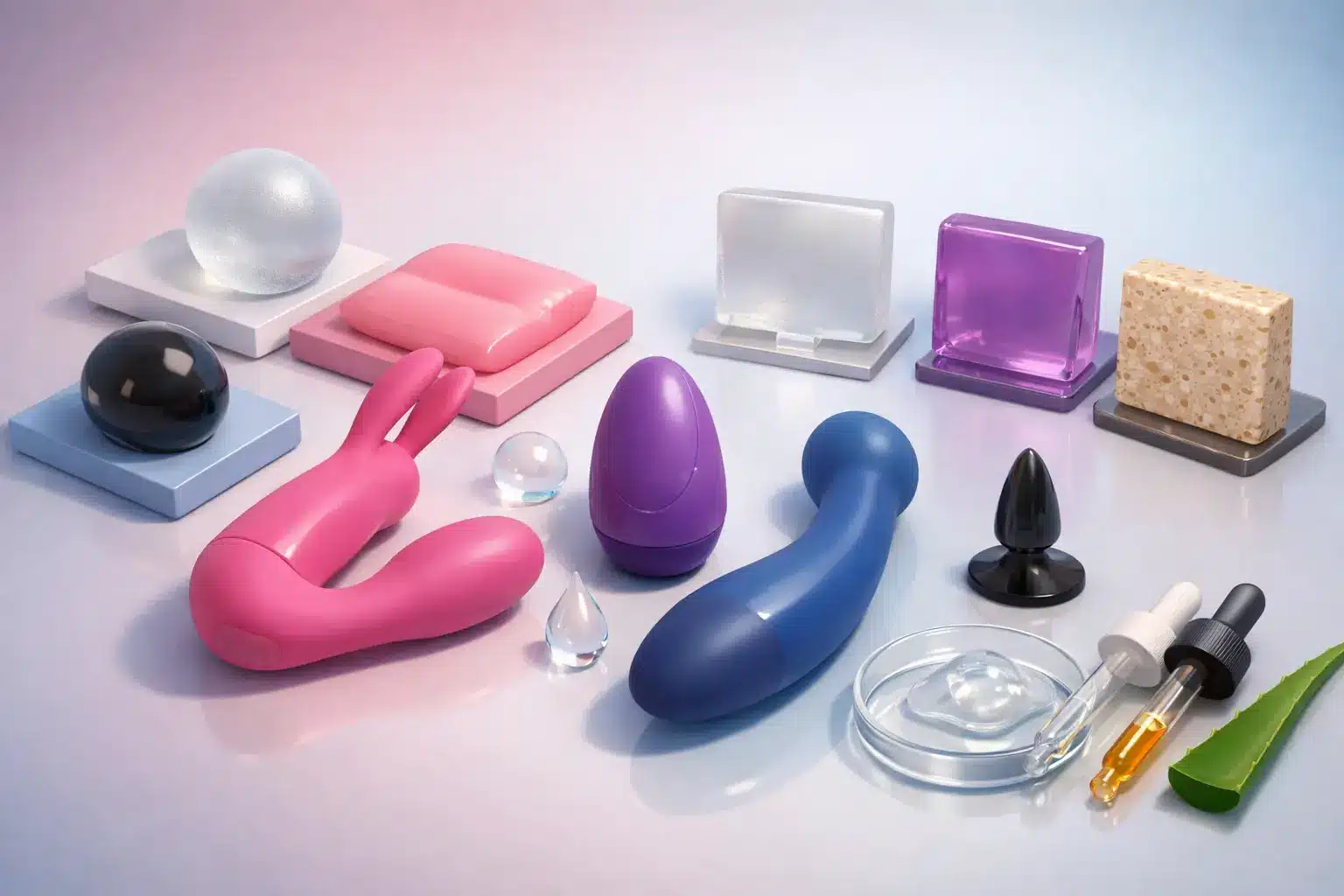
Intimate Toy Material Guide for Safer Pleasure
The difference between a toy you love and one that ends up forgotten in a drawer can come down to one detail: material. Texture, flexibility, cleanup, lube compatibility, and price all change with what a toy is made from. This intimate toy material guide cuts through the product-page jargon so you can shop with confidence, whether you want a first vibrator, a smooth plug, or something bold for couples play.
The quick rule? Nonporous materials are generally easier to clean and maintain because their surfaces do not have tiny openings that can retain moisture or residue. Softer porous materials can feel fantastic and cost less, but they demand more careful cleanup and, in some cases, a condom barrier. Your ideal pick depends on how you play, how much maintenance you want, and the sensation you are chasing.
Intimate Toy Material Guide: Start With Your Priorities
Before comparing materials, think about the experience you want. A flexible external vibrator and a firm anal plug should not be judged by exactly the same standard. For insertable toys, a smooth nonporous surface and an easy-to-clean design are especially appealing. For external play, softness, grip, and budget may carry more weight.
If you are shopping for a partner or giving a gift, choose a material that is simple to explain and simple to care for. Platinum-cured silicone, borosilicate glass, stainless steel, and ABS hard plastic are popular choices for people who want straightforward maintenance. If you prefer a plush, skinlike feel at a lower price, TPE and TPR can be tempting – just go in knowing that care is part of the deal.
A material label alone is not the whole story. Look at the full product description, including whether a toy is designed for internal or external use, its cleaning instructions, and the recommended lubricant. For anal play, always choose a toy with a wide flared base. Material cannot replace safe design.
Silicone: The Crowd-Pleasing Favorite
Silicone earns its reputation for good reason. Quality silicone is soft, smooth, durable, and nonporous, making it a versatile choice for vibrators, dildos, plugs, strokers, and couples toys. It can range from silky-soft and flexible to firm and sculpted, so there is plenty of room to find your preferred pressure.
Look for products described as 100% silicone or platinum-cured silicone when possible. This is often the clearest route if you want a premium-feeling toy that is easy to wash with warm water and mild soap or toy cleaner. Silicone also does not have a strong chemical smell, which is a welcome bonus for anyone sensitive to scented materials.
There is one practical catch: silicone lubricant can react with the surface of some silicone toys, leaving it tacky or damaged. Water-based lube is the safest default unless the manufacturer specifically confirms compatibility. If you have a large silicone collection, keep toys separated or stored in individual pouches so surfaces do not rub together over time.
Glass and Stainless Steel: Smooth, Firm, and Temperature-Ready
Glass and stainless steel offer a completely different kind of pleasure. They are firm, weighty, incredibly smooth, and nonporous. They also work beautifully with water-, silicone-, and oil-based lubricants, though checking the toy’s own care instructions is always smart.
Borosilicate glass, the type commonly used in quality intimate toys, is made to handle normal temperature changes better than ordinary glass. You can warm it gently in warm water or cool it in cool water before play. Avoid extreme temperatures, inspect it for chips or cracks, and never use damaged glass.
Stainless steel brings satisfying weight and a polished surface that glides with very little drag. It is excellent for temperature play and can feel wonderfully luxurious, especially in plugs, kegel exercisers, and curved toys. The trade-off is obvious once you pick one up: metal is not light. Start with a size and weight that feels manageable, particularly if you are new to internal play.
Neither material bends much, if at all. That firmness is exactly what some shoppers love, while others will prefer silicone’s give. If you want targeted pressure or a sleek, premium sensation, glass or steel may be your next favorite.
ABS Plastic: Great for Vibrators and Beginners
ABS plastic is the hard, glossy material often found on bullet vibrators, wand attachments, air-pulse toys, and compact rechargeable designs. It is nonporous, durable, and usually very easy to clean. Because it can be molded into detailed shapes and house powerful motors, it is a practical choice for shoppers who want strong, focused stimulation without a large, flexible toy.
It does not feel as soft as silicone, but that can be a plus. A smooth ABS surface delivers direct sensation and tends to glide easily with lube. It is also often more affordable than premium silicone models. For many first-time buyers, a body-safe ABS bullet or compact clitoral toy is a low-pressure way to learn what kind of vibration they enjoy.
TPE and TPR: Soft Feel, More Care
TPE and TPR are soft elastomer materials commonly used in realistic strokers, sleeves, budget-friendly dildos, and flexible toys. Their biggest selling point is sensation. They can feel plush, stretchy, and skinlike in a way hard plastic and metal simply cannot copy.
The compromise is that these materials are generally porous. That means they can hold onto moisture, lubricant, or residue more easily than silicone, glass, steel, or ABS. Wash them promptly after use, dry them thoroughly, and store them in a cool, clean place. Some soft sleeves also benefit from renewing powder after they are fully dry, but follow the individual product instructions rather than guessing.
For shared use or if you are unsure about the exact material composition, use a condom over a porous toy. This adds a helpful hygiene barrier and can make cleanup faster. Do not boil TPE or TPR unless the manufacturer explicitly says you can, since heat can warp or damage these softer materials.
Jelly, PVC, Rubber, and Mystery Materials
Older-style jelly toys, PVC, and unspecified rubber products may be inexpensive and very soft, but vague labeling is a reason to pause. These materials can be porous and may use plasticizers or other additives that are not clearly identified. A strong chemical odor, oily surface, or missing care guidance is not a great shopping signal.
That does not mean every low-cost toy is automatically off-limits. It means you should make an informed choice. If a material is unclear, reserve it for external use when appropriate, use a condom barrier for insertable play, and replace it if the surface becomes sticky, cracked, discolored, or difficult to clean. Anyone with a latex allergy should also check rubber-based products carefully, as natural rubber latex can trigger reactions.
Lubricant Compatibility Makes a Real Difference
The right lube keeps play more comfortable and protects your toy’s finish. Water-based lubricant is the all-around favorite because it works with every material listed here and is easy to wash away. It is the safest match for silicone toys and condoms.
Silicone-based lubricant lasts longer and is particularly useful for shower play or longer sessions, but it should be avoided with silicone toys unless compatibility is confirmed. Oil-based lubricants can be great with glass and metal, yet they are not compatible with latex condoms. Read both labels before you get started – a 10-second check can save a favorite toy or condom from an early retirement.
A Simple Care Routine That Pays Off
A toy does not need a complicated spa ritual, but it does deserve consistent care. Clean it before and after use according to its material and whether it is waterproof. Use warm water and mild, unscented soap or a purpose-made toy cleaner, then let it dry completely before putting it away.
Avoid harsh household cleaners, bleach, and heavily scented soaps. They can irritate sensitive skin or degrade surfaces. Remove batteries from toys you will not use for a while, charge rechargeable toys as directed, and store each item separately when possible. A clean pouch, box, or dedicated drawer keeps lint, dust, and material transfer out of the mood.
The best material is not the most expensive one or the trendiest one. It is the one that matches your body, your desired sensation, and the care routine you will actually follow. Start with clear material information, choose a shape made for the kind of play you enjoy, add the right lube, and let curiosity do the rest. Pleasure shopping should feel exciting, not confusing – and a well-chosen toy makes every next move easier.