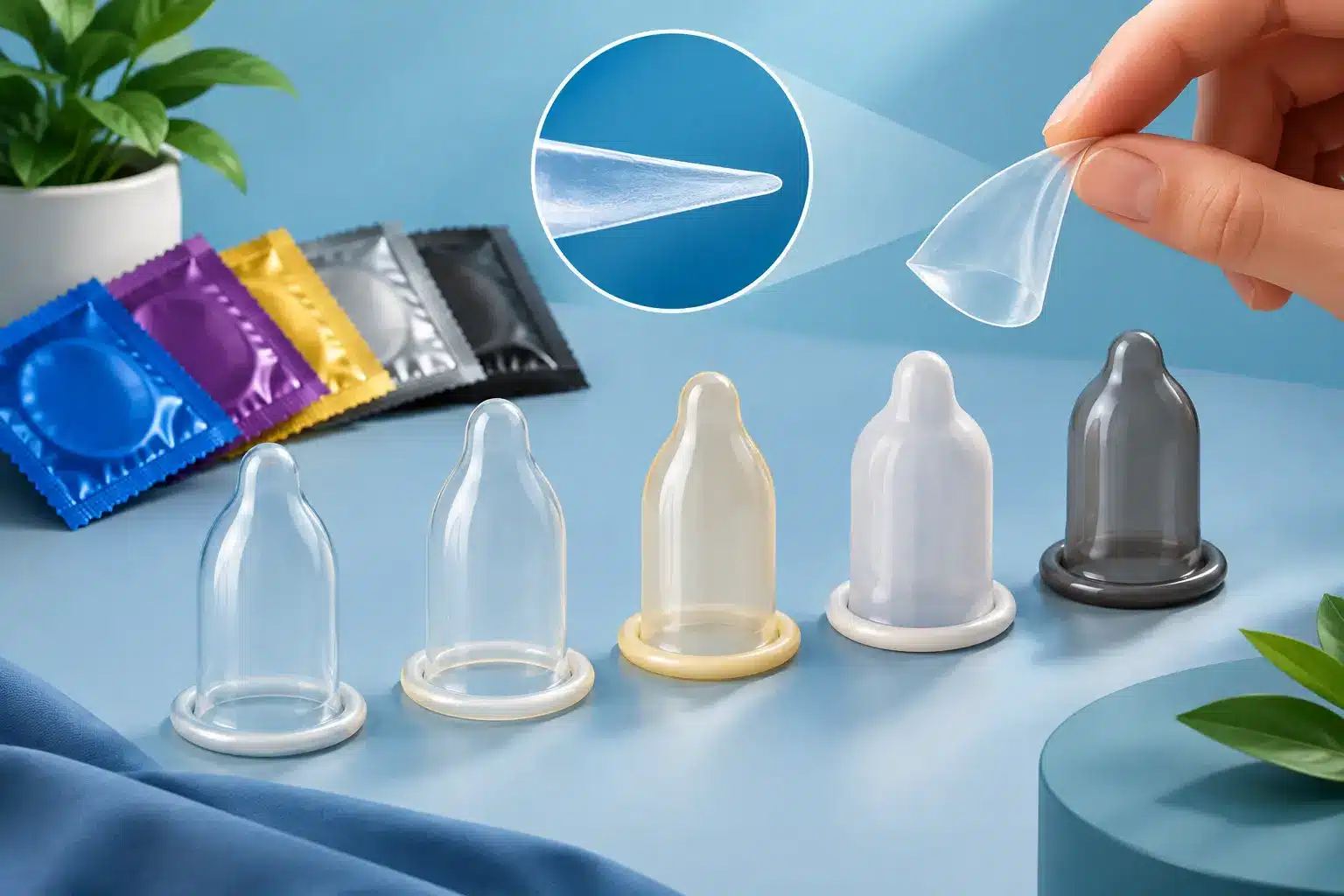
Which Condoms Feel Thinnest? A Real-World Guide
If you are asking which condoms feel thinnest, the short answer is usually ultra-thin latex condoms. But the best choice is not always the package with the smallest number printed on it. Material, fit, lubrication, and your own body all shape how much sensation comes through.
The goal is simple: a condom that feels close, stays comfortable, and gives you reliable protection. That is a much better shopping target than chasing the absolute thinnest option and ending up with something that slides, pinches, or distracts from the moment.
Which condoms feel thinnest in practice?
Ultra-thin latex condoms are the most common answer for people who want a barely-there feel. Latex is naturally stretchy, so manufacturers can make it quite thin while maintaining the strength needed for condom use. Many ultra-thin styles are marketed for heightened sensitivity, natural feeling, or extra sensation.
That said, “thin” is not a regulated feeling. One brand may describe a condom as ultra-thin because it is thinner than its standard line, while another may use a different measurement or focus more on material than thickness. Packaging language is useful, but it is not the whole story.
For many people, a well-fitting ultra-thin latex condom feels more natural than a non-latex condom that is technically thinner but less elastic. Fit creates close contact. Close contact is what tends to make sex feel better.
Latex: the familiar ultra-thin favorite
Latex is the go-to material for a reason. It is flexible, widely available, and works well for vaginal, anal, and oral sex when used correctly. Ultra-thin latex condoms are often the easiest place to start if neither partner has a latex allergy.
They are also compatible with water-based and silicone-based lubricants. Avoid oil-based products with latex, including massage oils, body oils, petroleum jelly, and many household lotions. Oils can weaken latex and raise the chance of breakage.
The trade-off is that some people notice the scent or feel of latex, especially during oral sex. Others simply prefer a different material. Your body gets the final vote.
Polyisoprene: soft, stretchy, and latex-free
Polyisoprene condoms are a strong option for people with latex sensitivities who still want a soft, elastic fit. This synthetic material often feels supple and body-hugging, which can make it feel less noticeable than a standard condom.
They tend to be a little thicker than the thinnest latex choices, but thickness alone does not decide sensation. Their stretch can create a secure, close fit that plenty of couples find very natural. Polyisoprene also works with water-based and silicone-based lube, but not oil-based lube.
If latex feels too rubbery or you need a latex-free alternative, polyisoprene is a smart category to explore.
Polyurethane: thin with a different kind of feel
Polyurethane condoms can be very thin and transfer heat well. They are non-latex, compatible with oil-based, water-based, and silicone-based lubricants, and may be a useful option for people who cannot use latex.
The trade-off is stretch. Polyurethane does not stretch like latex or polyisoprene, so fit matters even more. Some people love the light, thin feel. Others find the material less soft or notice that it does not move with the body in the same way.
A thinner condom is not automatically a better condom. If it feels loose, tight, dry, or noisy, it is unlikely to feel sexy no matter what the box says.
Thickness matters, but fit matters more
A condom that is too tight can feel restrictive and may be more likely to tear during use. One that is too loose can bunch up, slip, and pull you out of the mood. Neither is the sensation upgrade you came for.
Condom sizing is usually based on nominal width, which is the width of the condom when laid flat. Brands vary, so do not assume every regular, large, or snug-fit label means the same measurement. If you have had a condom roll up, squeeze uncomfortably, slide down, or leave a deep ring, trying a different size may make a bigger difference than switching to a thinner material.
For the receiving partner, fit still matters. A condom that sits smoothly and stays in place reduces friction and helps sex feel more comfortable. For both partners, the right size means less fussing and more focus on each other.
Do ultra-thin condoms break more easily?
A quality condom that is properly manufactured, stored, and used correctly is designed to provide protection whether it is standard or ultra-thin. Thin does not mean fragile. Reputable condoms are tested to meet safety standards.
Most condom failures come down to real-life issues: an expired condom, a damaged wrapper, heat exposure, sharp nails or jewelry, using two condoms at once, or using the wrong lubricant with the material. Lack of lubrication can also increase friction, which is bad for comfort and can put extra stress on the condom.
Keep condoms away from prolonged heat and friction. A wallet may be convenient for one night out, but it is not ideal long-term storage. A cool, dry drawer or bedside stash is a better move.
Lube is the easiest way to boost sensation
More lube can make a condom feel dramatically better. It reduces drag, supports comfortable movement, and can make a condom feel less present for both people. This is especially helpful for anal sex, where natural lubrication is not part of the equation.
A drop of compatible lube inside the tip before putting the condom on can increase sensation for the wearer. Keep it minimal – too much can make the condom more likely to slip. Add more lube to the outside as needed, and reapply whenever things start to feel dry.
Water-based lube is the easy all-around choice for every condom material and most sex toys. Silicone-based lube lasts longer and works with latex, polyisoprene, and polyurethane condoms, though it may not suit every silicone toy. Check your toy’s care guidance before combining materials.
Features that can change the feel
The thinnest-looking condom is not necessarily the most pleasurable one for every body. Beyond material and size, details such as shape, texture, lubrication level, and reservoir tip can affect comfort.
A contoured shape may feel more secure than a straight-sided condom. Extra lubrication can be great for comfort, but some people prefer a less-lubricated style so they can use their favorite lube. Textured ribs and dots can add stimulation for some partners, while others prefer the smoothest possible surface.
If you are trying to maximize sensitivity, choose one change at a time. Start with an ultra-thin style in your usual size. If it is comfortable but you want a softer feel, try polyisoprene. If you want more glide, add compatible lube before jumping to an entirely different condom type. A little experimentation is more useful than a drawer full of random boxes.
How to choose your first thin condom
Start with a trusted ultra-thin latex condom if you do not have a latex allergy. Select your best-fit size, check the expiration date, and use plenty of compatible lube. That combination gives most people the closest, most comfortable experience.
If you need latex-free protection, try polyisoprene first if you value stretch and softness. Consider polyurethane if heat transfer and oil-compatible lube are priorities. For oral sex, flavored condoms can be fun, but use a fresh condom before switching to vaginal or anal sex.
Never use two condoms together. Doubling up creates more friction between the condoms and can increase the chance that they tear. Use a new condom for each sex act, and switch to a fresh one when moving between oral, vaginal, and anal sex.
LoveShop makes it easy to compare condom materials, sensations, and sizes privately, so you can stock up without turning a simple purchase into a big event.
The best thin condom is the one you barely think about once things get going: it fits well, feels good, stays put, and lets you enjoy the chemistry instead of managing the mechanics.