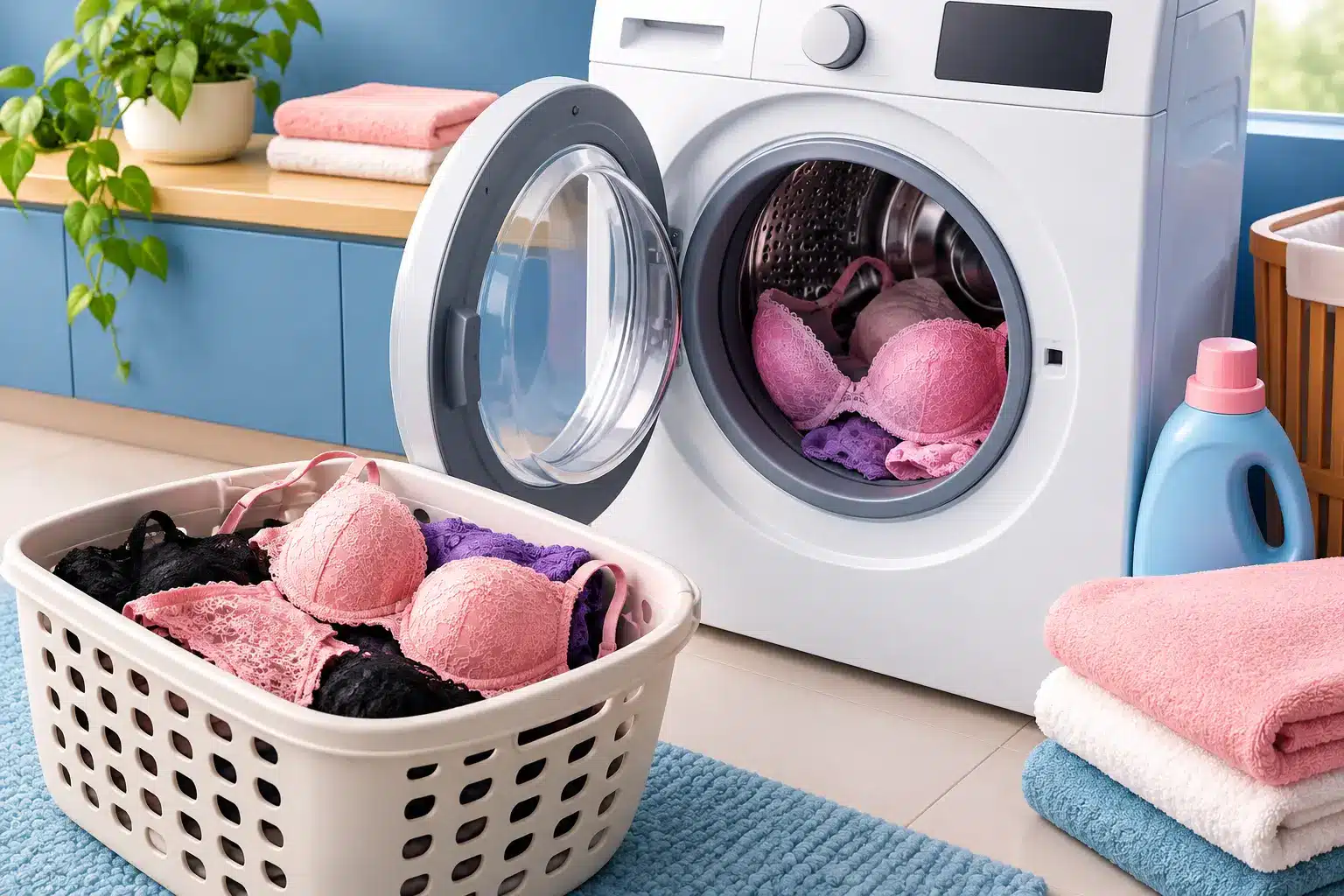
Can Lingerie Be Machine Washed? The Real Answer
That lace bodysuit looks too good to leave at the bottom of the laundry pile – but can lingerie be machine washed without turning it into a stretched, snagged, sad version of itself? Often, yes. The catch is that “machine washable” does not mean tossing it in with towels, jeans, and whatever else is waiting in the hamper.
The best care routine depends on fabric, construction, and hardware. A soft mesh panty has very different needs from a wired bra, a satin chemise, or a strappy harness-inspired set with delicate rings and adjustable details. A little extra care keeps your favorite pieces feeling comfortable, looking sexy, and ready for their next appearance.
Can Lingerie Be Machine Washed Safely?
Many lingerie pieces can go in the washing machine if the care label permits it and you use a cold, gentle cycle. Think everyday underwear made from cotton, modal, microfiber, nylon, or stretchy lace blends. These fabrics generally hold up well when protected from friction and heat.
The machine becomes riskier when lingerie has underwires, molded cups, embroidery, rhinestones, glued-on details, boning, silk, leather, latex, or lots of fine straps. These pieces may survive one rough wash, but repeated stress can warp their shape, loosen elastic, fade color, or cause hooks to catch on fabric.
The label gets the final word. “Machine wash cold” is a green light with conditions. “Hand wash only” is worth taking seriously, especially for premium lingerie or anything you would be genuinely upset to replace. If the tag is missing, treat a delicate item as hand-wash territory rather than testing its luck.
What Can Usually Handle a Gentle Cycle?
Every piece is different, but a few categories are generally more washing-machine friendly. Cotton briefs, seamless panties, basic bralettes, sleepwear without trim, and simple lingerie sets made from synthetic stretch fabrics are usually fine on delicate.
Lace can also be machine washed when it is a sturdy nylon or spandex blend, not an antique-looking, ultra-fine, or heavily embroidered lace. The key is limiting rubbing and tangling. Delicate fabric does not necessarily need hand washing, but it does need protection.
Bras are the category that deserves the most caution. A soft, wire-free bra may do well in a mesh bag on gentle. Underwire bras can be washed in a machine occasionally, but hand washing helps them retain their fit longer. A bent wire or crushed cup is not only annoying – it can make a bra uncomfortable and less supportive.
Bodysuits and teddies sit in the middle. If they are made from stretch mesh, basic lace, or smooth microfiber, they may be machine washable. If they feature garters, chains, appliqué, structured cups, or multiple thin straps, hand washing is the safer move.
The Right Way to Machine Wash Lingerie
If the label allows it, the goal is simple: reduce friction, avoid heat, and prevent hardware from snagging. This takes only a few minutes and makes a major difference over time.
First, separate lingerie from heavy laundry. Denim, towels, hoodies, and items with zippers create the kind of abrasion that pulls threads and pills delicate fabric. Wash similar colors together, too. A bright red item can easily tint pale pink, white, or nude lingerie.
Fasten bra hooks before washing, and close any snaps or clasps on bodysuits. This prevents them from catching on lace or mesh. Then place each bra, bodysuit, or delicate set in a mesh lingerie bag. If you do not have one, a clean pillowcase tied loosely at the top can work in a pinch, although a proper zippered bag offers better protection.
Choose cold water and the delicate or gentle cycle. Hot water weakens elastic fibers and can make delicate dyes fade faster. Keep the spin speed low if your machine gives you that option. The less twisting and pulling your lingerie experiences, the longer it keeps its shape.
Use a small amount of mild liquid detergent. Powder detergents can sometimes leave residue in fine fabrics, while harsh formulas may be too aggressive for stretch fibers and lace. Skip bleach completely. It can discolor fabric, damage elastic, and leave even white lingerie looking dull over time.
Fabric softener is also best avoided. It may sound like a good match for soft lingerie, but it can coat fibers, reduce breathability, and interfere with moisture-wicking properties in everyday underwear. For pieces designed to hug your body, clean and residue-free is better than artificially softened.
When Hand Washing Is Worth the Extra Minute
Hand washing is the best choice for expensive lingerie, sentimental pieces, silk, heavily detailed lace, underwire bras you love, and anything with decorative hardware. It is also smart for pieces worn with body oils, massage products, or water-based lubricants, since a gentle soak gives you more control over cleaning the fabric thoroughly.
Fill a sink or basin with cool water, add a little delicate detergent, and let the item soak for around 10 minutes. Gently move it through the water with your hands. Do not scrub lace, wring straps, or twist the fabric. Those actions can stretch elastic and distort cups.
Rinse with cool water until it runs clear, then press out excess water carefully. For bras with padding or molded cups, support the cup shape while you do this. It is a small ritual of care, not a wrestling match with a wet bra.
Never Put Lingerie in the Dryer
Even lingerie that is safe for the washing machine is rarely dryer-safe. Dryer heat is the fastest way to break down spandex, shrink delicate fibers, warp bra cups, and shorten the life of elastic waistbands and straps.
Instead, reshape your pieces while damp and air dry them. Lay bras flat on a clean towel or drying rack, with cups facing up so they keep their form. Hang chemises, robes, and lightweight panties if you like, but avoid hanging heavy wet bras by their straps. The weight can stretch them out.
Keep lingerie away from direct sun and radiators. High heat and strong sunlight can fade bold colors and make elastic brittle. A cool, well-ventilated spot gets the job done without stealing the softness from your favorite set.
Special Fabrics Need Special Rules
Silk needs a gentle hand wash or professional cleaning depending on the label. It is luxurious, smooth, and far less forgiving than a synthetic satin look. Satin itself can be polyester, silk, or another blend, so never assume based on shine alone.
Leather, latex, vinyl, and wet-look pieces should not go into a washer. These materials need product-specific cleaning methods, usually wiping with a soft damp cloth and following the manufacturer’s care instructions. Washing them like regular fabric can crack finishes, damage coatings, or ruin the fit.
For lingerie with metal chains, studs, rhinestones, or delicate decorative rings, hand washing protects both the garment and your washer. Hardware can scrape the drum, snag fabric, or become loose in a spin cycle. Keep these showstopping pieces for careful cleaning and equally memorable wear.
How Often Should You Wash Lingerie?
Panties, bodysuits worn directly against skin, and lingerie used during intimate play should be washed after every wear. Bras can usually be worn two or three times before washing, unless you have been sweating, wearing one all day, or using it during a particularly heated night.
Giving bras a rest between wears helps elastic recover. Rotating a few favorites instead of reaching for the same bra every day is one of the easiest ways to make your lingerie drawer last longer. It also gives you a great excuse to keep your collection interesting.
At LoveShop, we believe your lingerie should feel like a treat, not a high-maintenance worry. Read the label, use a mesh bag when a gentle cycle is allowed, and save hand washing for the pieces that deserve extra attention. That way, the set you chose for confidence, comfort, or a little mischief stays ready whenever the mood strikes.