


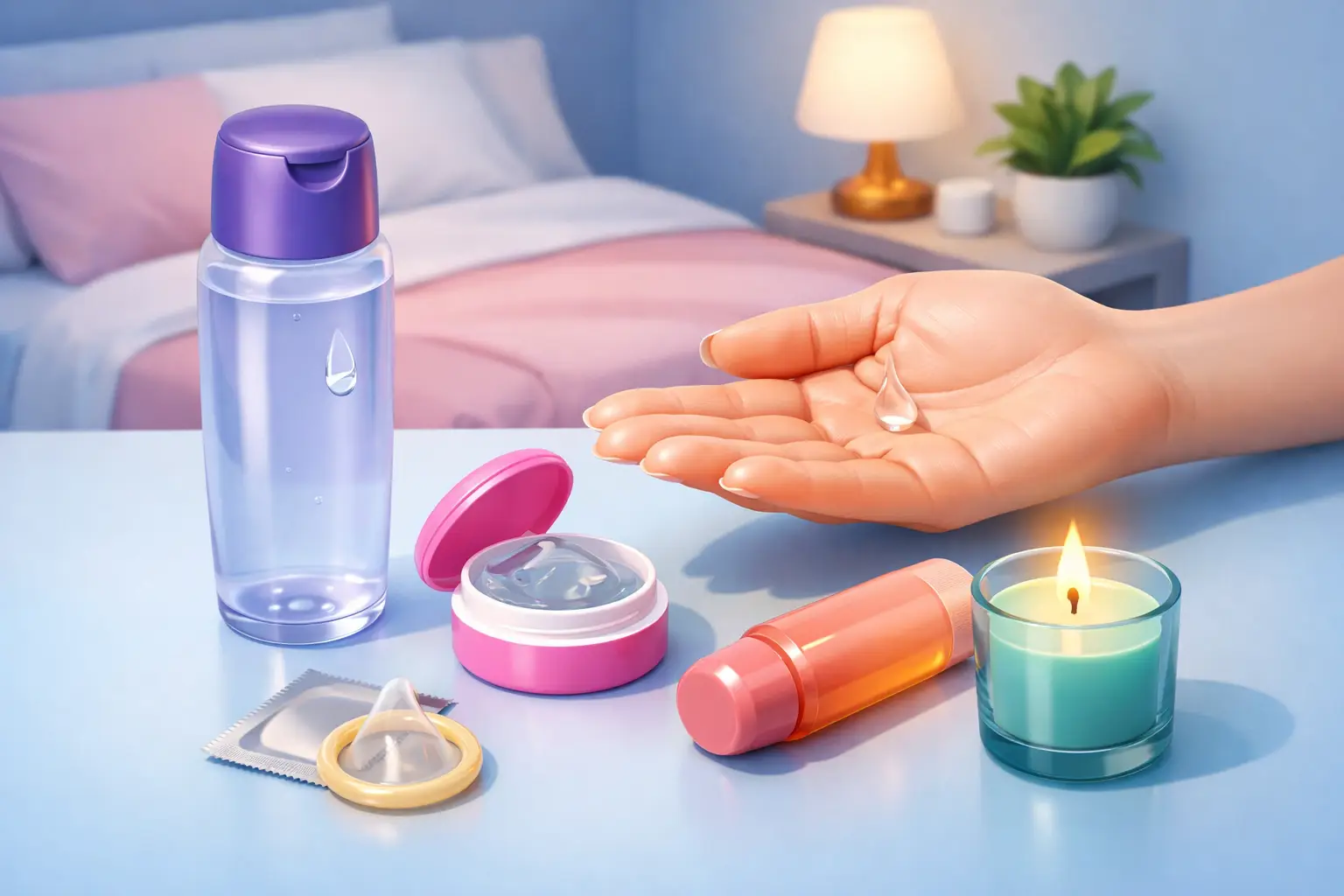
How to Apply Personal Lubricant Safely at Home
A little lube can turn “that’s okay” into “oh, yes.” Knowing how to apply personal lubricant safely helps you stay comfortable, protect your condoms and toys, and focus on the fun instead of unwanted friction. The best formula and amount depend on what you are doing, what you are using, and how sensitive your body is.
Start with the right kind of lube
The bottle matters. Lubricants are not one-size-fits-all, especially when condoms, silicone toys, anal play, or sensitive skin are involved.
Water-based lubricant is the everyday favorite for a reason. It works with latex condoms, polyisoprene condoms, most toys, and every kind of play. It is easy to rinse away and is usually a smart starting point for beginners. The trade-off is that it can dry out during longer sessions, so you may need to add more.
Silicone-based lubricant stays slick much longer and is excellent for shower play or anal play, where extra glide can make a major difference. It is typically compatible with condoms, but it may react with silicone toys. Some silicone-on-silicone combinations leave a toy tacky or affect its finish. If you are unsure, use water-based lube with silicone toys or test a tiny, hidden spot first.
Oil-based lubricant can feel rich and luxurious, but it is not compatible with latex condoms. Oil can weaken latex and increase the chance of breakage. It can also be harder to wash from skin, sheets, and some toys. If latex condoms are part of the plan, stick with water- or silicone-based lube.
Hybrid lubricants combine water and silicone for a longer-lasting feel with easier cleanup than pure silicone. They can be a great middle ground, but check the label for toy compatibility just as you would with any silicone-containing formula.
How to apply personal lubricant safely
Start clean and keep it simple. Wash your hands before touching intimate areas, especially if you have handled food, lotions, body oils, or other products. Make sure the cap and nozzle are clean too. A lube bottle does not need to be sterile, but it should not be sticky, dusty, or shared in a way that transfers bodily fluids back into the container.
Begin with a small amount – about a dime-size drop for external play or a bit more for penetration. Warm it between your fingertips for a few seconds, then apply it where friction is likely: around the vulva, on the penis, around the anus, on a finger, or across the surface of a toy. Add lube gradually rather than applying a large amount all at once. You can always add more, and there is no prize for running out too soon.
For vaginal play, apply lube externally first, then add a little to a finger, toy, or condom-covered penis if desired. For anal play, use more than you think you need. The anus does not create its own lubrication, and generous glide helps reduce discomfort and the risk of tiny tears in delicate tissue. Reapply whenever the sensation shifts from smooth to draggy.
If you are using a condom, put the condom on before applying lube. Add a drop of water- or silicone-based lube inside the tip if that feels good for the wearer, then spread more over the outside after the condom is on. Too much inside can sometimes make a condom slide, so keep the inside amount light and place most of the lube on the outside.
With toys, keep the bottle clean
Apply lubricant directly to the toy or your hand rather than pressing the bottle nozzle against your body. This small habit keeps bacteria and other fluids out of the bottle. For insertable toys, coat the shaft and the opening area. For external toys, a small amount on the body or toy can reduce rubbing and make sensations more comfortable.
Use only toys with a flared base for anal play. Lube improves glide, but it does not replace a body-safe toy design or slower, communication-led play.
Check ingredients when you are sensitive
A tingling, warming, cooling, flavored, or scented lube can be exciting for some people and irritating for others. If you have sensitive skin, a history of recurring irritation, or you are trying a new product, choose a simple, fragrance-free formula first. Avoid using massage oils, body lotion, petroleum jelly, cooking oils, shampoo, or saliva as a substitute for personal lubricant. They may irritate tissue, disrupt the vaginal environment, damage condoms, or simply dry out too fast.
Pay attention to how your body feels. Mild initial coolness from a product designed to cool may be expected, but burning, stinging, itching, swelling, rash, or persistent redness is your sign to stop. Rinse the area gently with lukewarm water and discontinue that product. If symptoms are severe, do not improve, or come with unusual discharge, sores, pain when urinating, or fever, contact a healthcare professional.
A patch test can be useful for products with novel ingredients. Put a tiny amount on the inner arm and wait to see whether the skin reacts. That cannot guarantee how genital tissue will respond, but it can help flag an obvious sensitivity before intimate use.
Use more lube, not numbing products, for discomfort
Discomfort is useful information. It may mean you need more arousal, more lube, a slower pace, a smaller toy, a different position, or a pause. Do not try to push through pain.
Desensitizing lubricants can mask discomfort, which is why they deserve extra caution, particularly for anal play. If you cannot feel your body’s limits, it is easier to overdo it. For most people, a high-quality water- or silicone-based lubricant and a patient pace are the better route to safer, more enjoyable play.
Keep condoms, lube, and STI protection working together
Lubricant can reduce friction that causes condoms to tear, so it is a useful part of safer sex. The compatibility rule is the key: water-based and silicone-based lubricants work with latex condoms, while oil-based products do not.
Check the expiration date on both condoms and lube. Do not use a lubricant if the seal is broken, the formula has changed color or smell, or it has separated in an unusual way. Store both away from direct heat and sunlight. A hot car, bathroom windowsill, or stuffed wallet can shorten a product’s life.
If switching from anal to vaginal play, change condoms and clean toys or hands first. This helps prevent bacteria from moving where they do not belong. The same rule applies when sharing toys between partners: clean between users, and consider a fresh condom over the toy for easy cleanup and added protection.
Cleanup is part of comfortable play
Afterward, wipe away excess lube and wash the outside of the body with warm water. You do not need harsh soap or internal cleansing. The vagina is self-cleaning, and douching can lead to irritation or imbalance.
Wash toys according to their material and care instructions before putting them away. Water-based lube generally rinses off easily. Silicone and oil-based products may need mild soap and warm water, especially on nonporous toys. Dry everything completely before storage.
Keep your lube somewhere clean, cool, and easy to reach. When the mood is already building, you want the right formula close by – not a frantic search through a nightstand drawer. Whether you are trying a new toy, enjoying a solo night, or getting close with a partner, a little preparation lets comfort stay in the spotlight.