


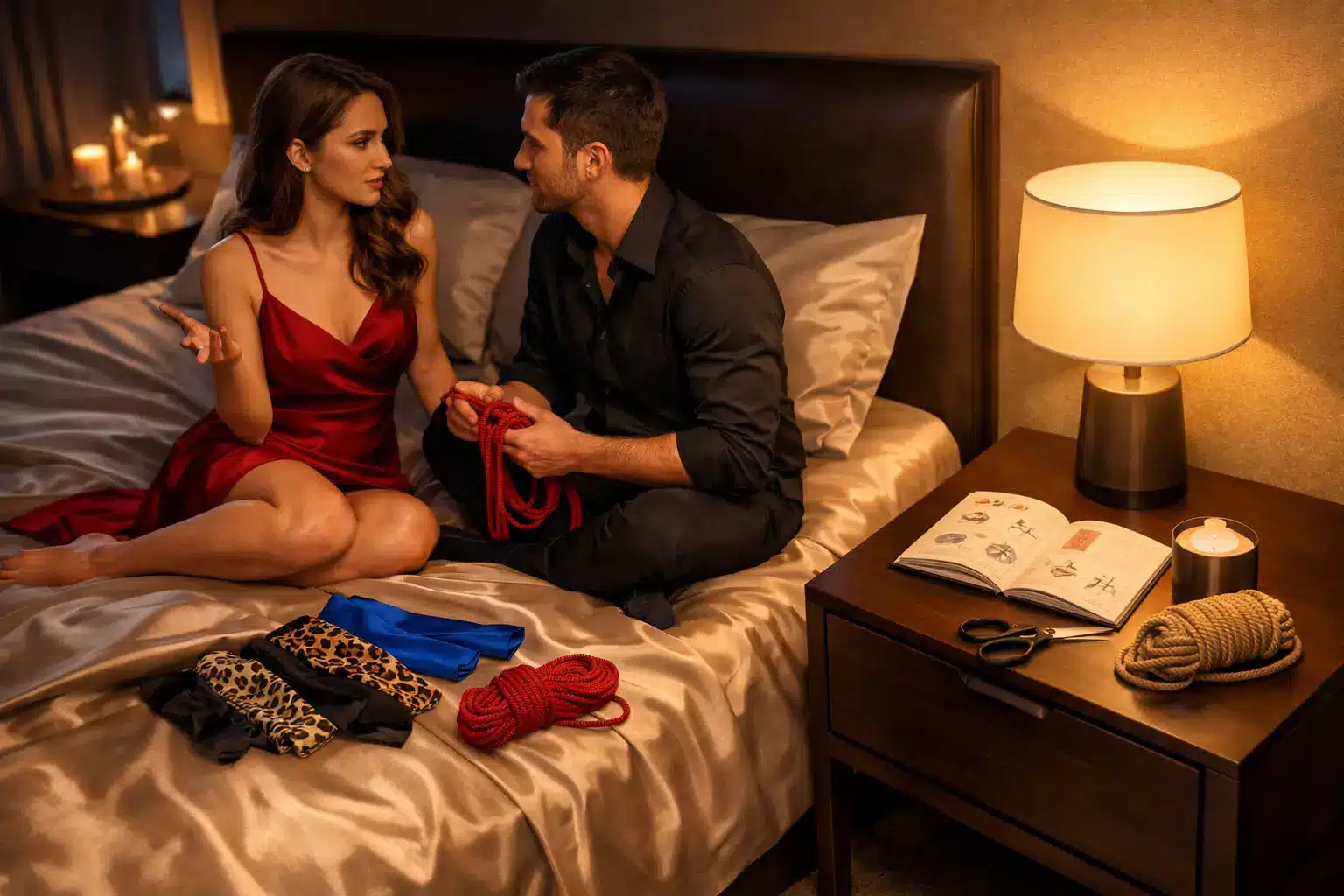
How to Start Bondage Safely and Sexy
The hottest bondage scene is not the one with the most rope. It’s the one where both people know what they want, what they do not want, and how to stop the moment something feels off. If you’re wondering how to start bondage, begin there – not with fancy knots, not with a shopping cart full of gear, and definitely not with pressure to perform.
For beginners, bondage works best when it feels playful, not intimidating. A soft restraint under the wrists, a blindfold that sharpens every touch, or a simple rule like “don’t move until I tell you” can create the same thrill people chase in more advanced scenes. The goal is not to look extreme. The goal is to feel safe enough to enjoy the tension, trust, and anticipation.
How to start bondage without overcomplicating it
A lot of people think bondage starts with rope skills. It usually doesn’t. It starts with consent, communication, and picking one sensation at a time. That’s what makes the experience sexy instead of stressful.
The easiest entry point is to talk outside the bedroom first. Ask what sounds exciting. Being restrained? Doing the restraining? Giving up a little control? Adding tease and denial? Some people love the psychological side more than the physical side, while others want the snug feeling of cuffs or the suspense of not seeing what comes next. Those details matter because bondage is not one thing. It covers a wide range of play styles, and your version should fit your comfort level.
It also helps to be honest about limits before anything starts. If one partner is curious but nervous, keep the first session very light. If both of you are excited but inexperienced, agree that this is a trial run, not a big performance. You are learning each other, not trying to impress anyone.
Start with beginner-friendly bondage gear
The best beginner gear is simple, adjustable, and easy to remove fast. That usually means soft cuffs with quick-release closures, a blindfold, or an under-bed restraint set designed for people who want an easy setup. These products are popular for a reason: they create the feeling of control and surrender without asking you to master technique first.
Rope can absolutely be part of bondage, but it is not always the smartest first buy. Rope looks sexy, but it comes with a learning curve. If you tie too tightly, place it badly, or leave someone bound in the wrong position for too long, you can create real risk. For a first session, cuffs are usually more forgiving and more convenient.
If you do shop for bondage gear, think comfort as much as aesthetics. Soft materials, adjustable fit, and quick removal matter. A lot. You want gear that feels secure but not pinching, and you want to be able to get out of it immediately if needed. Beginner bondage should be confidence-building, not a test of endurance.
The safety rules that actually matter
Bondage gets much better when the boring-sounding basics are handled first. The person being restrained should never lose the ability to communicate. If you add a gag later on, that changes the safety plan and requires more experience, so skip that in the beginning.
Use a safeword that is easy to remember and impossible to misunderstand. Many couples use a traffic-light system: green means keep going, yellow means slow down or check in, red means stop now. It’s simple, clear, and works well when emotions are running high.
Never leave a bound person alone, even for a minute. Keep safety scissors nearby if you are using rope or anything that wraps around the body. Avoid tying around the neck, and be careful with wrists, elbows, and other areas where pressure can affect nerves or circulation. If hands or feet start tingling, going numb, or changing color, stop immediately.
Position matters too. Something that feels sexy for thirty seconds can become uncomfortable fast. Beginners should stick to easy, low-strain positions, especially ones that do not put weight on joints or force the body to stay twisted. Fancy restraint positions can wait.
Your first bondage scene should be simple
The first time should feel manageable. Pick one idea and do it well. You do not need restraints, a blindfold, dirty talk, impact play, and roleplay all in the same night. Too many new elements at once make it harder to relax and harder to know what you actually enjoy.
A very beginner-friendly scene might look like this: one partner is lightly restrained to the bed with soft cuffs, the other partner checks comfort, establishes the safeword, and spends the next ten or fifteen minutes focusing on teasing touch, kissing, or using a feather, vibrator, or fingertips to build anticipation. That’s enough. It’s sexy, controlled, and easy to stop.
Another good starting point is blindfold play without restraints. For some couples, removing sight creates more suspense than tying anything at all. It can be a smart stepping stone if one of you likes the idea of bondage but wants to test the power dynamic before adding physical restraint.
If you are solo-curious about bondage aesthetics or sensation, start even smaller. Explore cuffs on one wrist, test how materials feel on your skin, or play with body positioning and sensory deprivation in a way that keeps full control. Curiosity counts. You do not need to jump straight into a full scene.
How to talk during bondage without killing the mood
A lot of beginners worry that checking in will make everything feel clinical. Usually, it does the opposite. The right check-in can be incredibly hot because it reinforces trust and attention.
Keep it short and direct. “How does this feel?” “Too tight or good?” “Do you want more pressure or less?” “Color?” These questions do not ruin the moment. They build it. The restrained partner gets to feel cared for, and the partner in control gets clearer feedback, which usually leads to a better scene for both people.
It also helps to separate sexy language from safety language. Call each other whatever you want in the scene, but agree that the safeword cuts through all of it. No debate, no teasing, no “are you sure?” If someone says red, the scene stops.
Common beginner mistakes
The biggest mistake is moving too fast because the fantasy looks polished in your head. Real bondage is slower. You adjust straps, ask questions, shift pillows, and sometimes laugh because a cuff got twisted. That is normal. Chemistry does not disappear just because you are figuring it out.
Another mistake is buying gear that looks intense before knowing what kind of play you even like. If you are not sure whether you enjoy restraint, control, sensory play, or body worship, start with versatile basics. A soft restraint set and a blindfold often go further than a dramatic piece of gear that ends up sitting in a drawer.
One more issue: assuming bondage means pain. Sometimes it does, but it absolutely does not have to. Many people love bondage for the helpless feeling, the focus, the anticipation, or the mental surrender. If pain is not your thing, skip it. If you want to explore it later, do it gradually.
Aftercare is part of the experience
When the restraints come off, the scene is not necessarily over. Bondage can leave people feeling floaty, emotional, extra affectionate, or unexpectedly quiet. That does not mean anything went wrong. It just means the body and mind are coming down from a charged experience.
Aftercare can be as simple as water, a blanket, cuddling, reassurance, or a quick conversation about what felt good and what did not. Some people want lots of closeness right away. Others want a minute to breathe and then talk. Ask, don’t guess.
This is also the moment to notice what you might want next time. Maybe the cuffs felt great but the position did not. Maybe the blindfold was a hit. Maybe the scene needed more buildup. Bondage gets better when you treat each experience like useful information, not a pass-fail test.
How to start bondage and keep it exciting
Once you have one good experience, build slowly. Add one new layer at a time – maybe ankle restraints, a collar, a stricter control dynamic, or a sensory toy that plays with temperature or vibration. Small upgrades keep things exciting without turning your bedroom into an obstacle course.
This is where shopping smart helps. Beginner-friendly BDSM gear is easier to enjoy when it is clearly designed for comfort, quick use, and confidence. If privacy matters to you, buying from a retailer that understands discretion makes the whole process feel more relaxed from checkout to delivery. That matters more than people admit.
If you want to start exploring, keep your first picks practical, sexy, and easy to use. LoveShop’s style of shopping makes that feel less awkward and more like what it should be: a confident upgrade to your pleasure routine.
Bondage starts with a simple question: do we trust each other enough to play with control? If the answer is yes, keep it light, keep it clear, and let the excitement build from there.