


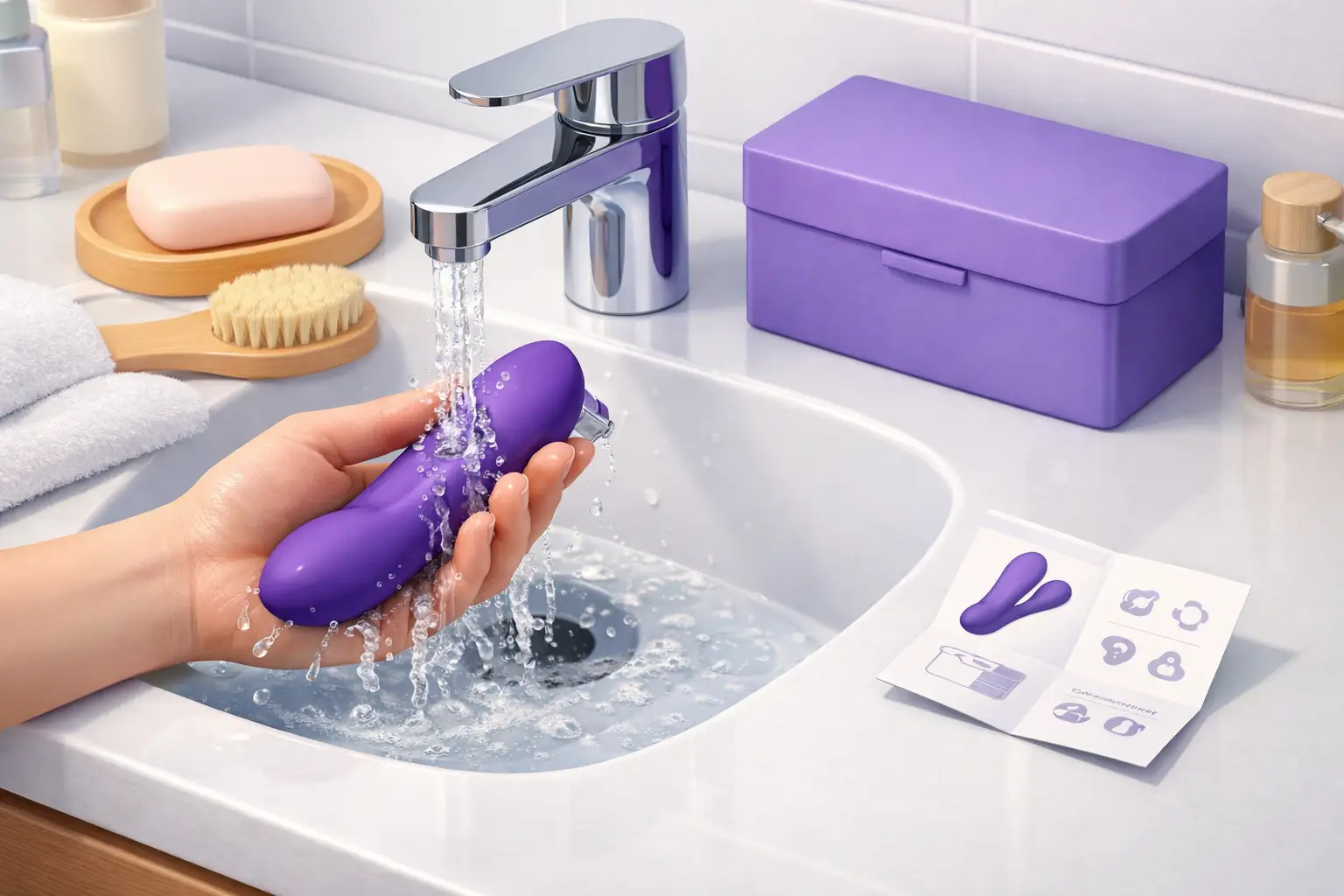
How to Clean Dildo Safely and Properly
That post-play glow can disappear fast if you look at your toy and think, wait – how do I clean this properly? If you’re wondering how to clean dildo toys the right way, the short answer is simple: clean it right after use, match the method to the material, and store it dry. The longer answer matters too, because the wrong cleaner or too much heat can ruin a good toy just as fast as skipping cleanup altogether.
Why cleaning matters more than people think
A dildo does not need complicated care, but it does need consistent care. Lube, body fluids, dust, and bacteria can build up on the surface and in any texture, seam, or base detail. That can lead to irritation, odors, and a toy that stops feeling fresh even when it still looks fine.
Good toy hygiene also protects the material. Some dildos are built for years of use, while others are more sensitive to heat, harsh soap, or strong disinfectants. Cleaning the right way keeps your toy body-safe, comfortable, and ready whenever the mood hits.
How to clean dildo toys by material
The best cleaning method depends on what your dildo is made from. If you still have the packaging, check it first. If not, start by figuring out whether the toy is non-porous or porous.
Non-porous materials include silicone, stainless steel, borosilicate glass, and sealed hard plastic. These are the easiest to clean thoroughly because their surfaces do not absorb moisture or bacteria the same way softer porous materials can.
Porous materials include jelly rubber, TPE, TPR, PVC, cyberskin-style blends, and some lower-cost soft plastics. These can feel great, but they need extra care and usually have a shorter lifespan.
Silicone, glass, steel, and hard plastic
For most non-porous dildos, warm water and mild unscented soap do the job. Wash the entire toy carefully, paying attention to ridges, suction cups, and textured areas. Rinse well so no soap residue stays behind, then dry it with a clean lint-free towel or let it air dry fully.
If the toy has no motor, no battery compartment, and no special finish, some materials allow deeper sanitizing. Silicone, stainless steel, and borosilicate glass can often handle boiling for a few minutes, but only if the manufacturer says it is safe. That part matters. Not every silicone toy should be boiled, especially if it has a mixed-material core or decorative coating.
Soft and porous materials
If your dildo is made from a porous material, stick to warm water, mild soap, and gentle washing. Do not boil it, and do not soak it for long periods unless the manufacturer specifically says that is safe. Porous toys can trap bacteria below the surface, which is one reason many people use condoms over them, especially for shared use or anal play.
If a porous toy starts to smell odd, feel sticky after washing, or show cracks or discoloration, it is usually time to replace it. A low price can be tempting, but hygiene and comfort come first.
The basic cleaning routine that works
You do not need a huge cleaning kit. You need a reliable routine.
Start by rinsing the dildo under warm water as soon as possible after use. This prevents lube and fluids from drying onto the surface. Add a small amount of mild, fragrance-free soap and wash with your hands. If the toy has grooves or strong texture, use your fingers to work soap into those areas.
Rinse thoroughly. Leftover soap can irritate sensitive skin, so take an extra few seconds here. After that, dry the toy completely. Moisture trapped in a drawer, pouch, or box is not your friend.
If you prefer a dedicated toy cleaner, that can be a convenient option, especially for quick cleanup. Still, toy cleaner should match the toy material, and it should not replace careful washing when the toy needs more than a surface spritz.
When soap and water are enough – and when they are not
For solo use with a non-porous dildo, warm water and mild soap are usually enough. That is the standard everyday method and, for many people, the best one.
There are moments when you may want more than a basic wash. If the toy was used anally, shared between partners, used for both anal and vaginal play, or dropped onto a questionable floor, deeper sanitizing makes sense. Even then, the method has to fit the material. A boil-safe silicone dildo can handle more than a jelly toy ever should.
Condom use can make cleanup easier too. It is especially smart with porous materials, shared toys, and any toy that is difficult to clean around curves or texture. It is not a shortcut for never washing the toy, but it adds a helpful layer of protection.
What not to use on your dildo
A lot of damage happens during cleaning, not during use. Harsh products can dry out, stain, weaken, or break down toy materials.
Skip bleach unless the manufacturer gives very specific instructions. Skip scented body wash, alcohol-heavy cleaners, abrasive scrubbers, and household disinfecting sprays. They may sound strong enough to kill germs, but they can also leave residue or damage the finish.
You should also avoid putting just any toy in the dishwasher or boiling pot because you saw that trick online. Heat can warp certain materials, loosen glued parts, and ruin a toy you barely got to enjoy.
How to clean dildo toys after anal play
This is where being careful really counts. Clean the toy immediately after use with warm water and mild soap, making sure every part of the surface is washed well. If the toy is non-porous and the maker allows deeper sanitizing, follow those instructions after the initial wash.
Never move a dildo from anal play to vaginal play without cleaning it first, and for many people, using a fresh condom is the easiest way to keep things simple. If the toy has a flared base or suction cup, wash around those edges carefully because residue can collect there.
Storage matters almost as much as cleaning
A perfectly washed dildo can still pick up dust, lint, or material damage if you toss it into a random drawer. Once it is fully dry, store it in a clean pouch or dedicated container. Keep it away from direct heat and away from toys made of materials that may react with one another.
Silicone is the big one here. Some silicone toys do not play nicely when stored pressed against other toys for long periods. If you have a growing toy collection, give each item its own space. It is a small habit that keeps everything cleaner and in better shape.
Signs it is time to replace your toy
No cleaning routine can save a toy forever. If your dildo has cracks, peeling, deep scratches, a sticky feel that does not wash away, or a lingering odor, it is usually time to retire it. The same goes for porous toys that have become discolored or worn down after repeated use.
This is not about being dramatic. Damaged surfaces are harder to clean, and once a toy starts breaking down, comfort and hygiene both take a hit. If you want easier maintenance, upgrading to a non-porous material is usually worth it.
A few common questions people quietly ask
One of the biggest questions is whether hand soap is okay. Sometimes yes, but mild unscented soap is the safest bet. Strong fragrance and antibacterial additives can be too harsh for both the toy and your skin.
Another common question is how often a dildo should be cleaned. Every single time – before first use, after every use, and after long storage if it has been sitting around collecting dust.
People also ask whether toy cleaner alone is enough. For quick refreshes, maybe. For a full clean after use, soap and water are still the more dependable standard.
Keep it simple and stay consistent
Learning how to clean dildo toys is less about fancy products and more about good habits. Wash it promptly, use the right method for the material, dry it fully, and store it with a little care. That keeps your toy feeling better, lasting longer, and ready for the fun part.
A clean toy is not just maintenance – it is part of better pleasure, better comfort, and a more confident next time.