


BDSM Safety Tips for Better Play
The hottest scene in the room can go cold fast if nobody talks about safety first. Good BDSM safety tips are not about killing the mood – they are what make intense play feel exciting, controlled, and worth repeating.
For some people, that means a light blindfold and wrist cuffs. For others, it means impact play, restraint, sensation play, or power exchange with more structure. The details change, but the rule stays the same: better preparation leads to better pleasure. If you want confidence, trust, and fewer bad surprises, safety is part of the turn-on.
BDSM safety tips start before the scene
The most useful safety move happens before anyone puts on a collar, reaches for a paddle, or locks a cuff. You need a real conversation. Not a vague “I’m into whatever,” but a specific talk about interests, limits, experience, injuries, medications, and emotional triggers.
If you are new, be honest about being new. If you are experienced, do not assume the other person likes what your last partner liked. A lot of problems start when people act more confident than they are. Sexy communication is still communication, and clarity beats guesswork every time.
Talk about what is on the yes list, what is a maybe, and what is off the table completely. It also helps to discuss intensity. Someone may love spanking but hate bruising. Someone else may enjoy restraint but panic if they cannot move their arms. “I like bondage” is not enough detail to build a safe scene around.
Consent is active, specific, and ongoing
Consent in BDSM is not a one-time checkbox. It is active, informed, and easy to withdraw. That matters even more in scenes that involve pain, restraint, humiliation, roleplay, or authority dynamics.
A solid scene works because everyone knows what they agreed to. If one partner wants to change the activity, increase intensity, or try a new toy, ask first. Do not treat silence as permission. Do not assume prior consent covers everything. A person who agreed to a flogger did not automatically agree to a cane, a gag, or a harsher level of pain.
Safewords matter here, and they should be simple. The traffic light system works well for many people: green means all good, yellow means slow down or check in, and red means stop. If there is any chance the bottom will be gagged or unable to speak clearly, agree on a nonverbal signal too, such as dropping an object or tapping repeatedly.
Choose gear that fits the scene
Not all BDSM gear is created equal, and not every product belongs in every scene. If you are using restraints, they should fit properly and allow for quick removal. If you are using impact toys, learn what each one does before going full force. A soft suede flogger feels very different from a rigid paddle, and both feel very different from a cane.
Beginners often do better with adjustable, beginner-friendly gear instead of improvised household items. That is not just about aesthetics. Purpose-made cuffs, paddles, blindfolds, and collars are usually easier to control, easier to clean, and less likely to fail in the wrong moment.
Cheap materials can chafe, snap, pinch, or create pressure points. Better construction gives you more control, and control is sexy. It is also safer. If you are shopping for restraint gear, padded cuffs and quick-release options are smart choices. If you are shopping for impact play, start with something more forgiving before moving into heavier tools.
Bondage safety needs extra care
Bondage can look simple, but it adds risk fast. The biggest concerns are circulation, nerve compression, panic, and delayed reaction time if something goes wrong. If someone is tied up, cuffed, or otherwise restrained, they should never be left alone.
Check fingers, toes, and skin color regularly. Numbness, tingling, cold skin, swelling, or sharp pain are signs to stop and release immediately. Position matters too. A dramatic pose may look amazing for thirty seconds and feel terrible after five minutes.
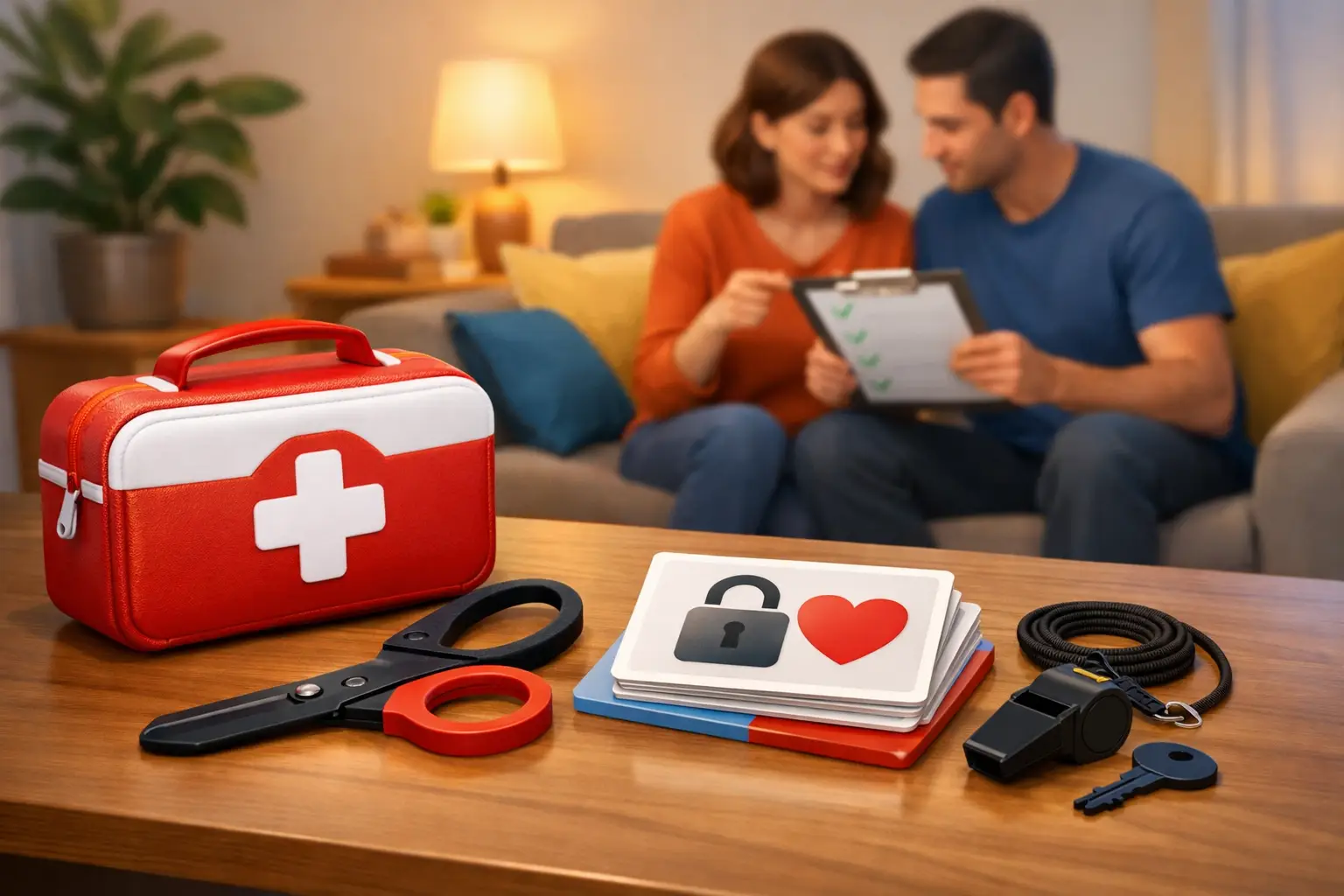
If you are using rope, education matters. Rope bondage has a steeper learning curve than many beginners expect, especially around nerves and suspension. If you do not know what you are doing, keep it simple and avoid complicated ties. For cuffs and under-bed restraints, have safety scissors or keys within reach before the scene starts, not after.
Impact play is about placement, not just force
Spanking, paddling, flogging, and slapping can be playful or intense, but where you strike matters just as much as how hard. Safer target areas are generally fleshier parts of the body, such as the butt and upper thighs. Areas near the kidneys, spine, joints, neck, and tailbone need much more caution or should be avoided entirely, depending on the activity.
Start lighter than you think you need to. Bodies warm up over time, and pain tolerance can change during a scene. What feels pleasantly stingy at first can become too much quickly. Check in, watch breathing, and pay attention to body language. If the person receiving starts going quiet in a way that feels off, that is not the moment to push harder.
Marks are another conversation worth having in advance. Some people are fine with temporary redness but not bruises. Others may need to keep skin covered for work, family, or privacy reasons. Safe play also means practical play.
Add sensation play carefully
Blindfolds, pinwheels, temperature play, and other sensation tools can be thrilling because they heighten anticipation. They can also reduce a person’s ability to react quickly. Once vision is blocked or sensation gets more intense, communication needs to get even better.
With temperature play, stay cautious. “Warm” and “hot” are not the same thing, and skin can burn faster than people expect. For wax play, only use candles designed for body play, because standard household candles can burn much hotter. Test first on a small area and keep heat away from sensitive zones unless you both know exactly what you are doing.
With sensory deprivation, remember that removing sight or movement can create vulnerability fast. For some people, that is thrilling. For others, it can bring up anxiety with no warning. Build up gradually instead of stacking every intense element into one scene.
Headspace is real
BDSM safety tips are not only about the body. They are also about emotional and mental response. A scene can stir up embarrassment, vulnerability, euphoria, tears, or an unexpected crash afterward. None of that automatically means something went wrong, but it does mean aftercare matters.
Aftercare looks different for different people. It may be cuddling, water, a blanket, reassurance, quiet space, or a light snack. Some people want to be held and praised. Others want a few minutes to come back to themselves before talking. The best approach is to ask in advance what helps them feel grounded after intense play.
If a scene included humiliation, rough language, or power exchange, check in once the dynamic has ended. Hearing “You did great” or “We’re good” can make a huge difference. For many people, the emotional landing matters just as much as the scene itself.
When to stop immediately
There is a difference between intensity and danger. If someone uses the safeword, stop. If they cannot answer clearly, stop. If they seem dizzy, faint, numb, disoriented, unusually pale, panicked, or emotionally gone in a way that feels disconnected, stop.
This is not the time to negotiate, tease, or test whether they “really mean it.” Fast, respectful stopping is part of good dominance and good partnership. The same goes for equipment failure, unexpected pain, trouble breathing, or any sign that circulation is compromised.
A smart scene leaves room for adjustment. Not every plan survives contact with real bodies, real emotions, and real reactions. That is normal. The sexiest people in the room are usually the ones paying attention.
Better BDSM safety tips make play hotter
Safety has a reputation for sounding clinical, but in practice it builds anticipation. When everyone knows the boundaries, understands the tools, and trusts that stop really means stop, the scene can go deeper without feeling reckless.
That is also why quality shopping matters. The right cuffs, impact toys, blindfolds, lubricants, and aftercare essentials can make the difference between awkward experimenting and confident play. LoveShop makes that easier with beginner-friendly options, more advanced fetish picks, and discreet shopping that keeps the focus where it belongs – on pleasure, not stress.
Whether you are trying your first restraint set or refining a dynamic you already love, the goal is not to act fearless. It is to build scenes that feel exciting because everyone involved feels informed, respected, and ready for more.